From Scraps to Sprouts: Grow a Kitchen Garden
Set Up a Windowsill Lab
Leafy Comebacks That Love Water
Green Onions in a Glass: Daily Routine
Slice the white ends with roots intact and stand them upright in a narrow glass. Cover roots with water but keep the cut surfaces above. Place in bright light and change water every day. Within forty-eight hours, emerald shoots leap forward, often doubling in height by the weekend. Snip what you need with clean scissors, leave the roots to regrow, and enjoy reliable, repeating harvests that taste wonderfully vivid and bright.
Crisp Lettuce and Romaine
Trim the base cleanly, set it in a shallow dish with just a little water touching the bottom, and position in bright, indirect light. New leaves typically emerge from the center within a few days. Keep water fresh, mist gently if the air is dry, and rotate the dish for even growth. For stronger, longer-lasting harvests, transplant to soil after roots appear, encouraging broader leaves and better texture for salads and wraps.
Root and Tuber Revival
Potatoes and Sweet Potatoes on the Sill
Ginger and Turmeric Rhizomes
Garlic, Shallots, and Leeks
From Water to Soil: The Smooth Transition
Potting Mix and Containers That Work
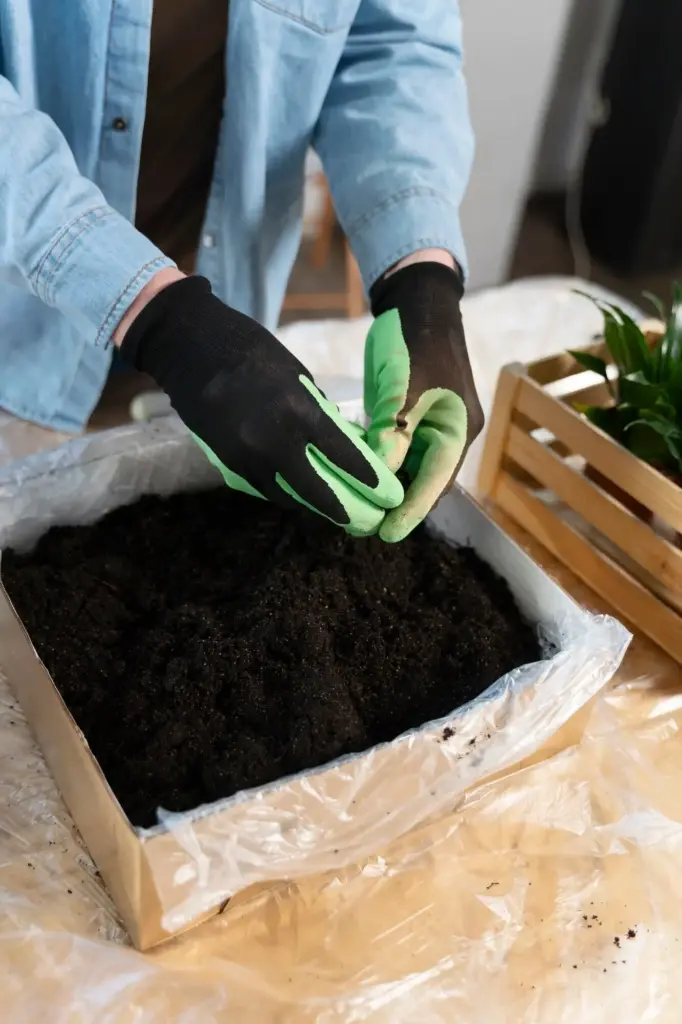
Choose a light, airy mix that drains freely, such as a blend of compost, coconut coir, and perlite. Containers should have generous drainage holes to prevent soggy roots. Shallow, wide pots suit leafy clusters like lettuce or celery bases, while deeper vessels help onions and leeks. Add a saucer to catch runoff, but never let pots sit in water. Healthy, oxygenated roots transform tentative starts into resilient, productive, easy-care windowsill plants.
Feeding Gently, Growing Strong
After transplanting, let plants settle for several days before feeding. A diluted, balanced liquid fertilizer supports steady growth without overwhelming sensitive tissues. Apply lightly every week or two and flush with water occasionally to prevent salt buildup. Observe leaf color and vigor rather than chasing calendars. If growth slows, adjust light first, then nutrients. This thoughtful pacing strengthens plants while keeping flavors clean, crisp, and pleasantly concentrated for everyday cooking and snacking.
Transplant Day Checklist
Before moving day, sanitize scissors, rinse containers, and prepare moistened mix. Make holes wide enough to accommodate fragile roots without bending. Firm soil gently around bases, water once to settle, and place pots in bright, indirect light for recovery. Hold off on major harvests until you see renewed growth. Keep notes on timing, conditions, and any stress signs. This calm, systematic approach turns delicate starts into vigorous, dependable kitchen companions.
Harvest, Flavor, and Sharing the Joy